Understanding the Precious Metals Market: Spot Prices and Beyond
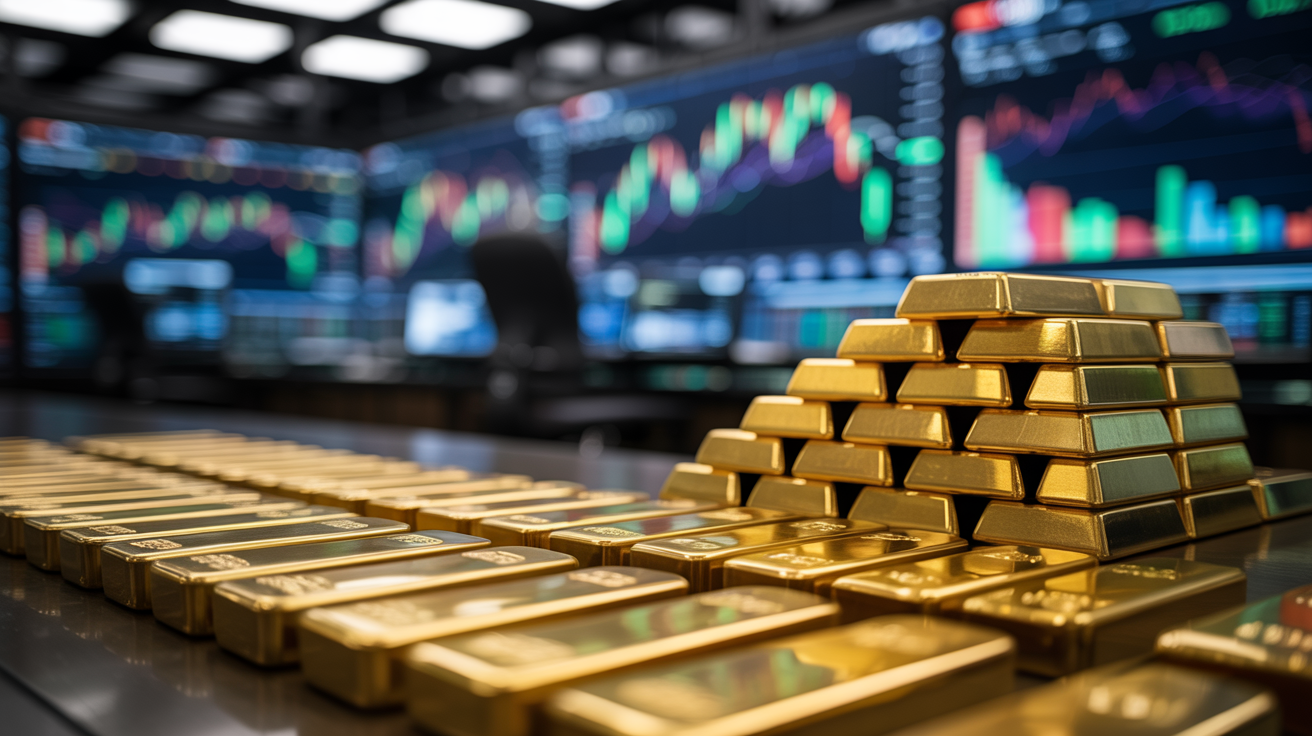
Precious metals have captivated humanity for millennia, serving as money, symbols of wealth, and industrial materials. For modern investors, understanding how the precious metals market works is essential for making informed decisions. This guide explores spot prices, premiums, and the key factors that drive metal values.
What Are Spot Prices?
The spot price is the current market price at which a precious metal can be bought or sold for immediate delivery. It represents the baseline value of the metal and is determined by trading on major commodity exchanges worldwide, including:
- COMEX (New York)
- London Bullion Market (LBMA)
- Shanghai Gold Exchange
- Tokyo Commodity Exchange
Spot prices change continuously during trading hours as buyers and sellers agree on prices. You can track current spot prices using our Precious Metals Converter.
Understanding Premiums
When you buy physical precious metals, you'll pay more than the spot price. This markup is called the premium, and it covers:
- Manufacturing costs: Refining, minting, and fabrication
- Dealer margins: Profit for retailers and wholesalers
- Distribution: Shipping, handling, and insurance
- Product type: Coins typically have higher premiums than bars
Premiums vary by product, dealer, and market conditions. During high demand periods, premiums can increase significantly above normal levels.
The Four Major Precious Metals
Gold (XAU)
The most popular precious metal for investment, gold is valued for its beauty, durability, and historical role as money. Key demand drivers include:
- Investment and wealth preservation
- Jewelry (approximately 50% of annual demand)
- Central bank reserves
- Limited industrial use
Silver (XAG)
Often called "poor man's gold," silver has both investment appeal and significant industrial applications. Demand comes from:
- Industrial uses (solar panels, electronics, medical)
- Investment (coins, bars, ETFs)
- Jewelry and silverware
- Photography (declining)
Platinum (XPT)
Rarer than gold, platinum is primarily an industrial metal with investment appeal. Major uses include:
- Automotive catalytic converters
- Jewelry
- Industrial applications
- Investment
Palladium (XPD)
The newest major precious metal for investors, palladium has seen dramatic price increases due to:
- Catalytic converter demand (gasoline vehicles)
- Supply constraints (mainly from Russia and South Africa)
- Strict emissions regulations
Factors Affecting Precious Metal Prices
Macroeconomic Factors
- Interest rates: Lower rates typically benefit precious metals
- Inflation: Metals often rise during inflationary periods
- Currency strength: Weaker USD usually means higher metal prices
- Economic uncertainty: Drives safe-haven demand
Supply and Demand
- Mining production: New supply entering the market
- Recycling: Secondary supply from scrap
- Industrial demand: Especially for silver and PGMs
- Investment demand: ETFs, coins, bars
Geopolitical Factors
- Political instability: Increases safe-haven demand
- Trade tensions: Can affect both supply and demand
- Mining regulations: Environmental and labor laws
Ways to Invest in Precious Metals
Physical Bullion
Coins and bars offer direct ownership but require secure storage. Popular options include American Eagles, Canadian Maple Leafs, and various bars from reputable refiners.
Exchange-Traded Funds (ETFs)
ETFs provide exposure to metal prices without physical ownership. They're convenient and liquid but don't give you direct control of metal.
Mining Stocks
Shares in mining companies offer leveraged exposure to metal prices. They can outperform during bull markets but carry company-specific risks.
Futures and Options
Derivative contracts for sophisticated investors seeking leverage or hedging. High risk and complexity.
Conclusion
The precious metals market offers diverse opportunities for investors seeking wealth preservation, portfolio diversification, or speculation. Understanding spot prices, premiums, and market drivers helps you make informed decisions. Use our Precious Metals Converter to track current prices and calculate values across different weight units.