From GameFi to Real Estate: The New Wave of Tokenized Assets Taking Over 2026
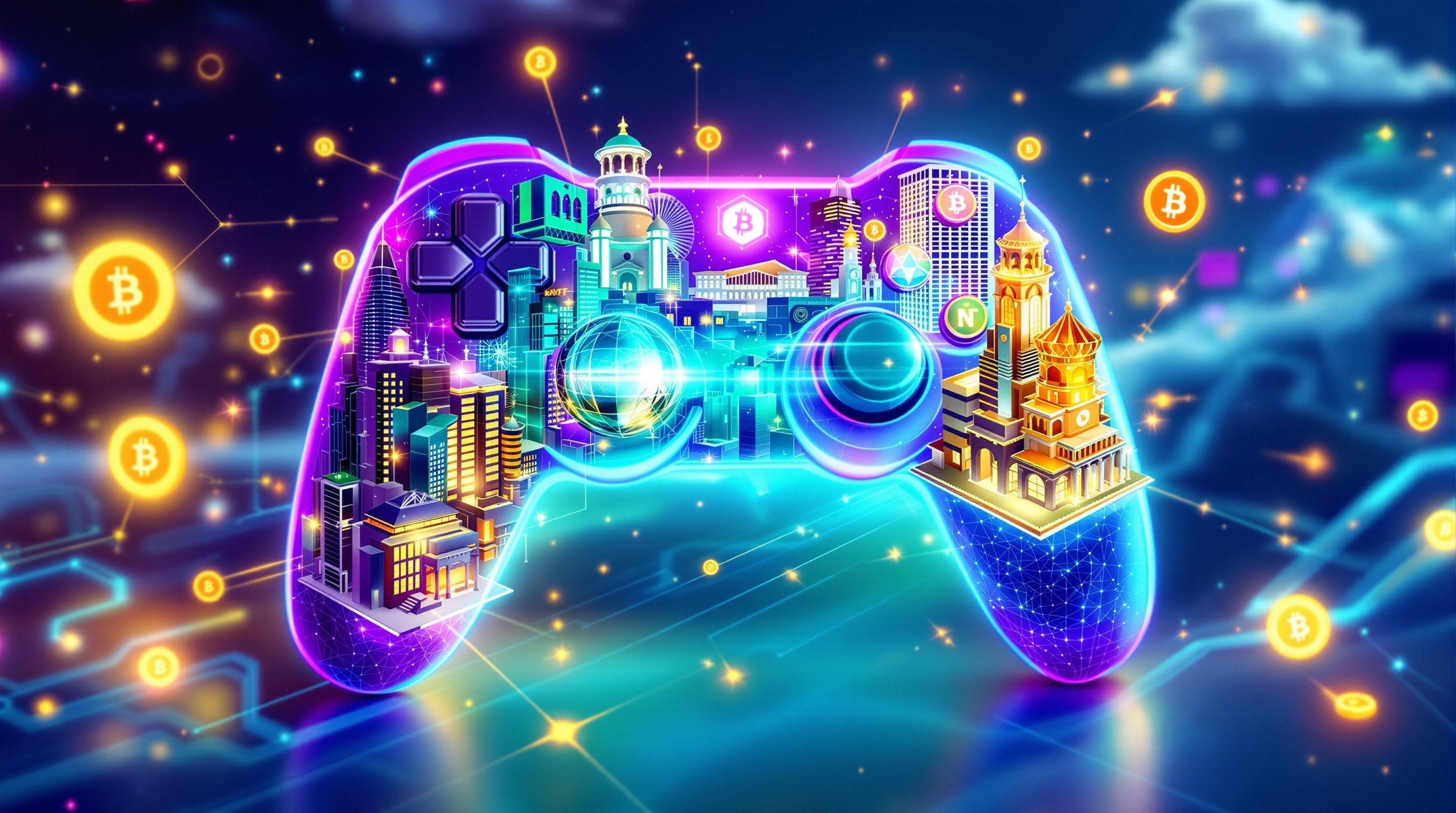
Tokenization has shifted from gaming collectibles to a full‑spectrum digital economy. In 2026, GameFi mechanics, NFTs, and real‑world assets (RWA) are merging into a unified ecosystem that's transforming how we think about ownership, investment, and value transfer.
GameFi's Influence on Digital Ownership
GameFi introduced millions of people to concepts that now underpin the broader tokenization movement. These gaming experiences served as training grounds for mainstream adoption of blockchain technology.
Core Concepts GameFi Popularized
On‑Chain Identity
Gaming avatars and profiles stored on blockchain became the first widespread use of digital identity. Players learned to manage wallets, own assets, and verify authenticity—skills directly transferable to real-world asset ownership.
Play‑to‑Earn Models
Games like Axie Infinity demonstrated that digital activities could generate real economic value. This psychological shift—that virtual items have genuine worth—prepared people to accept tokenized real-world assets.
Interoperable Digital Assets
Gaming items that work across multiple games introduced the concept that digital ownership transcends single platforms. This interoperability is now being applied to real estate, commodities, and financial securities.
These mechanics laid the foundation for Web3 economic design. What started as game theory became blueprint for tokenizing the real world.
RWAs Are the Breakout Star of 2026
Real-world assets represent the next frontier—trillions of dollars in physical assets moving onto blockchain infrastructure.
What Are Real-World Assets?
RWAs are tokenized representations of physical or traditional financial assets:
- Real estate: Fractional ownership of properties
- Treasury bills: Government securities on-chain
- Commodities: Gold, oil, agricultural products
- Art and collectibles: Authenticated ownership records
- Music royalties: Revenue streams from intellectual property
- Carbon credits: Environmental assets
Why Tokenization Offers Transformational Benefits
Fractional Ownership
A $5 million commercial property can be divided into 5 million tokens at $1 each. Regular investors access asset classes previously reserved for institutions and ultra-wealthy individuals. A student can own $100 of Manhattan real estate.
Global Liquidity
Traditional real estate takes months to sell. Tokenized real estate trades 24/7 on global markets. Liquidity premium disappears, potentially increasing asset values 10-20%.
Transparent, Immutable Settlement
Blockchain records eliminate title disputes, fraud, and paperwork delays. Smart contracts execute transactions automatically when conditions are met. Escrow becomes algorithmic rather than trust-based.
Reduced Transaction Costs
Traditional real estate transactions involve:
- Real estate agents (5-6% commission)
- Title companies
- Lawyers
- Escrow services
- Government recording fees
Tokenized transactions can reduce these costs to under 1%, saving billions annually.
Real Estate Token Markets Projected to Surpass Trillions
Several factors are driving explosive growth in tokenized real estate:
Regulatory Clarity Emerging
The SEC and international regulators are establishing frameworks for security tokens. Major jurisdictions like Switzerland, Singapore, and UAE have created favorable environments.
Institutional Adoption
- Blackstone exploring tokenized real estate funds
- HSBC and JPMorgan testing blockchain settlement
- Real estate investment trusts (REITs) beginning tokenization pilots
Technology Maturation
Layer 2 solutions make transactions affordable. User interfaces have become simple enough for non-technical users. Custody solutions meet institutional security standards.
Demographic Shift
Younger investors prefer digital assets and fractional ownership over traditional real estate. The $68 trillion wealth transfer to millennials and Gen Z favors tokenized investment models.
The Rise of Hybrid Digital‑Physical Value
The convergence of GameFi and RWAs creates fascinating hybrid models:
Digital Land Maps to Physical Geospatial Assets
Platforms like Propy connect virtual property ownership with legal title to physical locations. Your NFT deed represents actual ownership enforceable in courts.
Metaverse locations may correspond to physical coordinates, creating augmented reality ownership layers over the real world.
NFT Identities Unlock Real‑World Access
Proof of NFT ownership grants physical privileges:
- Restaurant reservations and exclusive dining experiences
- Hotel stays and resort access
- Event tickets and backstage passes
- Membership clubs and networking communities
Your digital avatar becomes your passport to physical experiences.
Blockchain‑Verified Ownership Reduces Fraud
Property title fraud costs billions annually. Blockchain creates immutable ownership records that eliminate most fraud vectors. When combined with digital identity verification, real estate transactions become nearly fraud-proof.
This blended ecosystem is Web3's next frontier—where digital and physical value are seamlessly integrated.
Use Cases Gaining Traction
Vacation Property Timeshares 2.0
Traditional timeshares have poor reputation due to:
- Difficulty selling
- High maintenance fees
- Limited flexibility
Tokenized vacation properties allow:
- Instant resale on secondary markets
- Fractional weeks (own 2.5 weeks, not just whole weeks)
- Global property swapping
- Transparent fee structures
Agriculture and Farmland
Farmland tokenization enables:
- Small investors to participate in agricultural returns
- Farmers to raise capital without traditional loans
- Crop revenue automatically distributed to token holders
- Sustainable farming projects to attract impact investors
Commercial Real Estate Debt
Mortgages and property loans can be tokenized, creating:
- New fixed-income investment opportunities
- Liquidity for mortgage originators
- Transparent risk assessment
- Automated interest distributions
Challenges and Considerations
Legal Framework Still Evolving
Questions remain about:
- How courts will treat blockchain ownership records
- Tax implications of tokenized asset transfers
- Cross-border property rights
- Regulatory classification (security vs. utility token)
Technical Risks
- Smart contract bugs: Code errors could lock up assets
- Oracle problems: Connecting off-chain assets to on-chain tokens requires trusted data feeds
- Custody concerns: Who holds the private keys, and what happens if they're lost?
Market Education
Most people still don't understand:
- How to use crypto wallets
- What blockchain ownership means
- Why tokenization provides benefits
Widespread adoption requires improved user experience and education.
Investment Opportunities
For Individual Investors
- Participate in fractional real estate through platforms like RealT, Lofty, and Propy
- Invest in tokenization infrastructure companies
- Hold tokens of platforms building RWA marketplaces
For Developers
- Build tools for property tokenization
- Create marketplaces for specific asset classes
- Develop compliance and KYC solutions
- Design user interfaces that make blockchain invisible
For Property Owners
- Unlock liquidity by tokenizing existing properties
- Raise capital for development projects
- Create new revenue streams through fractional sales
The Path Forward
By 2030, tokenized RWAs may represent a significant portion of global assets. The convergence of GameFi mechanics with real-world value creates an economy where:
- Anyone can invest in anything, anywhere
- Assets are liquid 24/7
- Ownership is transparent and fraud-resistant
- Digital and physical value are seamlessly integrated
Conclusion
The evolution from GameFi to tokenized real estate represents more than technological advancement—it's a fundamental rethinking of ownership, investment, and value. GameFi taught millions the basics of digital ownership through play. Now those same principles are being applied to trillions in real-world assets. The result is a more accessible, liquid, and transparent financial system. Use our converters to track the digital asset markets as this transformation reshapes global finance.