How to Use Currency Converters for Travel: Essential Tips
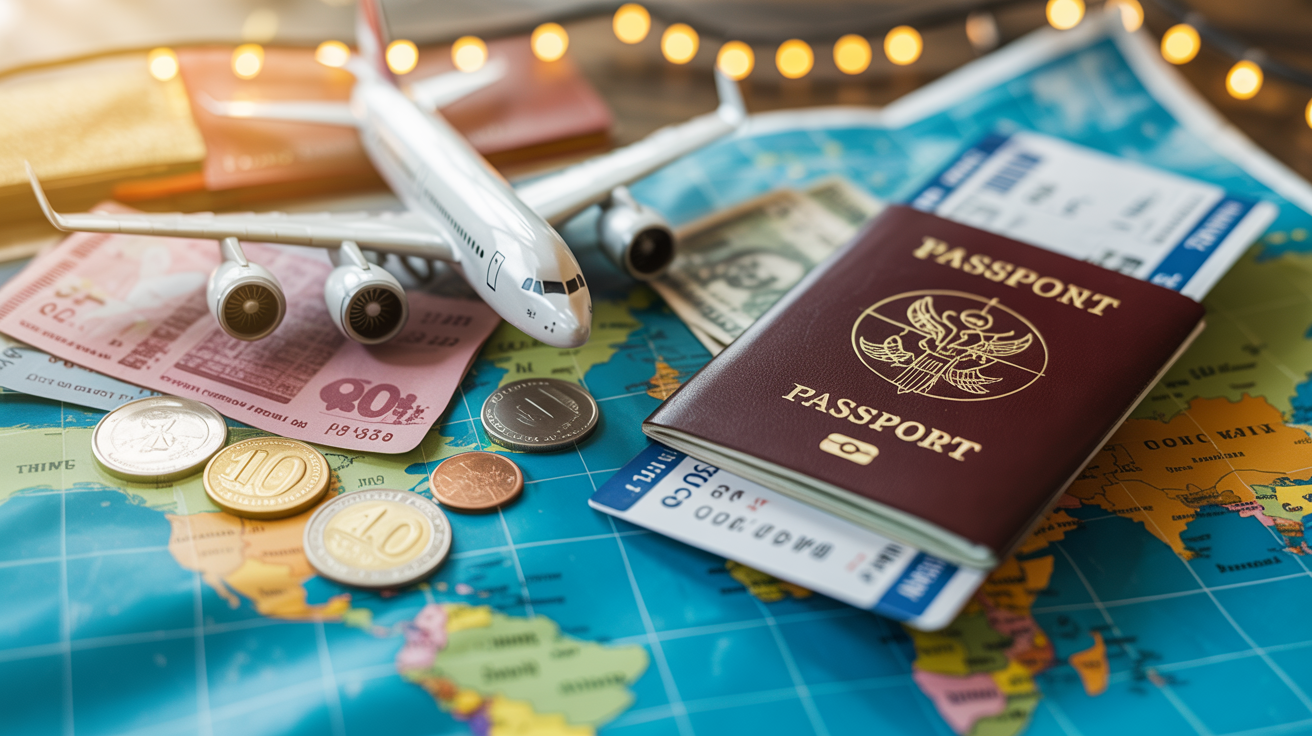
International travel is one of life's great pleasures, but dealing with foreign currencies can be confusing and expensive if you're not prepared. Using a currency converter effectively is essential for budgeting your trip and ensuring you get fair value for your money. Here's your complete guide to managing currency exchange while traveling.
Before You Travel
Research Exchange Rates
Start monitoring exchange rates several weeks before your trip using Currency Converter Plus. This gives you a sense of the normal rate range and helps you identify good opportunities to exchange money. Historical rate data can show you whether rates are currently favorable or if waiting might be worthwhile.
Set Up Rate Alerts
Many currency tools allow you to set alerts for when rates reach a certain level. If you need a significant amount of foreign currency, this can help you exchange at an optimal time.
Create a Budget in Local Currency
Use the currency converter to create a realistic daily budget in your destination's currency. Include categories like:
- Accommodation
- Food and dining
- Transportation
- Activities and attractions
- Shopping and souvenirs
- Emergency fund (10-15% buffer)
Where to Exchange Money
Best Options
- Local ATMs: Often provide the best rates, using the interbank rate. Check if your bank reimburses ATM fees.
- Credit cards: Many travel cards offer no foreign transaction fees and competitive exchange rates.
- Local banks: Can offer good rates, especially for larger amounts.
Options to Avoid
- Airport exchanges: Typically the worst rates with high fees — often 10-15% worse than market rates.
- Hotel currency desks: Convenient but usually poor rates.
- Dynamic Currency Conversion: When merchants offer to charge you in your home currency, always decline — their rates include significant markups.
During Your Trip
Track Your Spending
Use the currency converter app on your phone to quickly convert prices while shopping. This helps you understand if something is a good deal or overpriced for tourists.
The "Rule of 7" Quick Conversion
For quick mental math, find a simple multiplier that approximates the exchange rate. For example, if 1 EUR = 1.10 USD, you can roughly add 10% to Euro prices to get the dollar amount.
Be Aware of Common Scams
- "No commission" signs: These often hide poor exchange rates
- Short-changing: Count your money before leaving the counter
- Fake currency: Only exchange at reputable locations
- Calculator tricks: Some dishonest vendors use rigged calculators
Payment Strategy Tips
- Notify your bank: Inform them of your travel dates to prevent card blocks
- Carry multiple payment methods: Credit card, debit card, and some cash
- Keep emergency cash hidden: Separate from your main wallet
- Use local currency: Always pay in the local currency when given the choice
- Save receipts: Helpful for tracking spending and potential disputes
Handling Leftover Currency
At the end of your trip, you have several options for leftover foreign currency:
- Spend it at the airport on snacks or books
- Keep small amounts as souvenirs or for future trips
- Exchange larger amounts back to your home currency
- Donate to airport charity collection boxes
Conclusion
With proper planning and the right tools, managing foreign currency doesn't have to be stressful or expensive. Use Currency Converter Plus to research rates, budget effectively, and convert prices on the go. Smart currency management means more money for experiences and less lost to fees and poor exchange rates.